
Cisco vs Aruba Wireless: Picking by Management Model
Both make excellent access points. The decision that matters is how the network is managed and licensed, not which radio is faster.
Read More: Cisco vs Aruba Wireless: Picking by Management ModelHuawei has become a genuine default in Saudi enterprise networking rather than an alternative to be justified, and that shift has happened quickly enough that a lot of comparison writing is out of date. The useful comparison is not about which vendor makes better silicon. It is about total cost across a refresh cycle, how each platform is managed, and what your team can support.
Huawei is usually cheaper at acquisition, and that is the part everybody notices. The part that matters more is what happens over the life of the equipment. Cisco increasingly ties capability to a licence tier — features you might consider basic can sit behind an Advantage level, and the subscription renews. Huawei tends to include more in the base product and charge less for the software layer.
Run the numbers over five years, including support renewals and licence renewals, before treating either as the cheaper option. We have seen comparisons flip in both directions once the term is normalised, which is exactly why a headline discount is not an answer.
Cisco has an enormous installed base in the Kingdom, and that has a practical consequence: engineers who know it are easier to hire, documentation and community answers are abundant, and a new team member is likely to have touched it before. That is a real operational asset and it does not appear on a datasheet.
Huawei management has improved substantially. The eKitEngine range aimed at smaller sites is administered from a phone app, and the campus products are managed centrally in a way that will feel familiar to anyone who has run a controller-based network. But the skills market is thinner. If your team is Cisco-trained, factor in either training or a support contract rather than assuming a transfer of knowledge.
A few situations settle themselves. If you are extending an existing Cisco campus with a consistent management model, mixing vendors inside the same access layer buys you a discount and costs you operational simplicity — rarely a good trade for a small saving.
At the other end, for a branch or SMB site that needs solid managed switching and Wi-Fi without a controller and without a licence conversation, the Huawei eKitEngine line is straightforwardly good value and quick to stand up.
For wireless specifically, both vendors now ship Wi-Fi 6 and Wi-Fi 7 access points that are competent. Decide on the management model and the licensing first, because that is what you live with, and let the radio generation follow your device estate rather than the other way round.
Mixed estates work. Both vendors implement the standards that matter — VLAN tagging, spanning tree, OSPF and BGP, LLDP — and a Huawei switch will trunk to a Cisco switch without drama in most configurations.
The friction is in the proprietary edges rather than the standards. Stacking is vendor-specific, so you cannot stack across brands. Some discovery and voice-VLAN behaviours differ in ways that surface as a phone that does not get the VLAN you expected. If you are going to run a mixed estate, draw the boundary deliberately — one vendor per layer, or per site — rather than alternating within a wiring closet.
Supply and support in the Kingdom: how quickly can you get a replacement unit, and from whom? A cheaper switch with a four-week lead time on an RMA is not cheaper.
Software support horizon: what is the committed period for security updates on the specific model, not the family? This varies more than people assume and it determines your real refresh date.
Procurement constraints: some organisations, particularly those working with international parent companies or in specific regulated sectors, have vendor policies that decide this question before any technical comparison. Establish that early and save yourself the exercise.
There is no vendor-wide answer, and anybody offering one is selling. Match the choice to the layer and the site: keep an existing well-run Cisco campus consistent, use Huawei where price and simplicity matter and the site is self-contained, and be deliberate about the boundary between them.
We are authorised for both and quote both. If you send a site list with port counts and your current management arrangement, we will price the realistic options side by side rather than pushing one line.
Our engineers are happy to walk through your specific requirements and recommend the right approach — no obligation, no generic sales pitch.
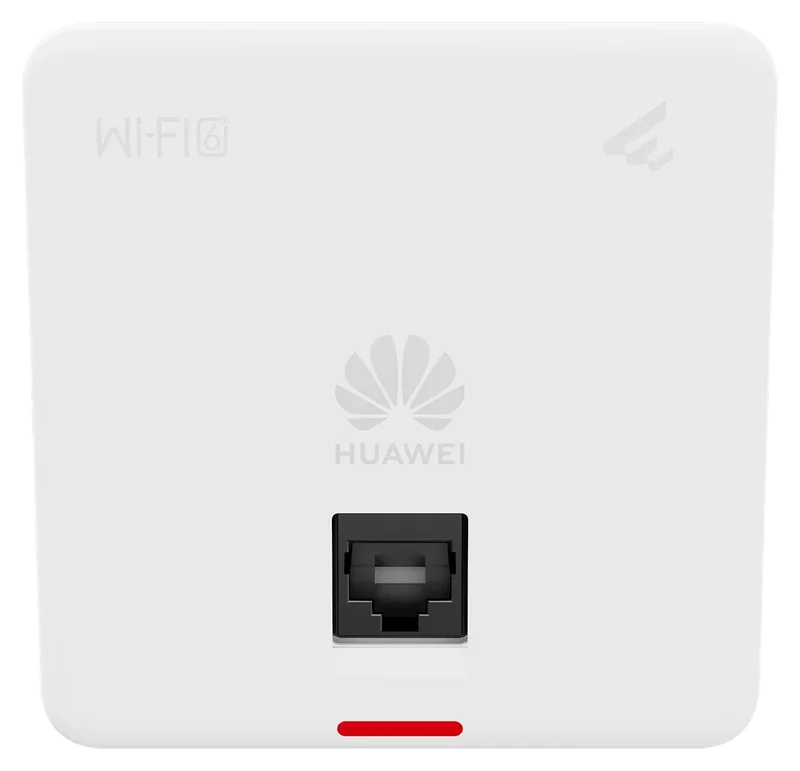
The Huawei AirEngine AP160 is a wall-plate Wi-Fi 6 access point, shaped to replace a faceplate…
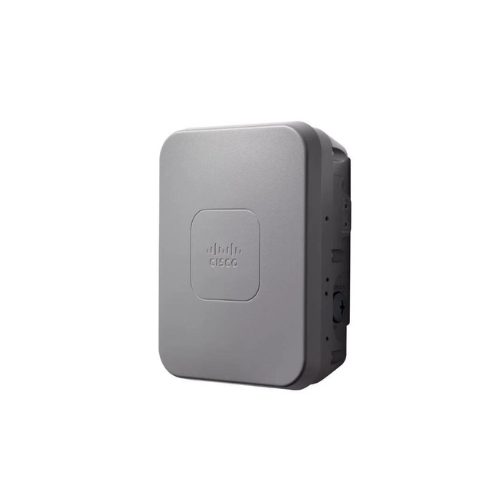
The Cisco AIR-AP-1562E-M-K9 is an outdoor-rated access point from the Aironet 1560 series…
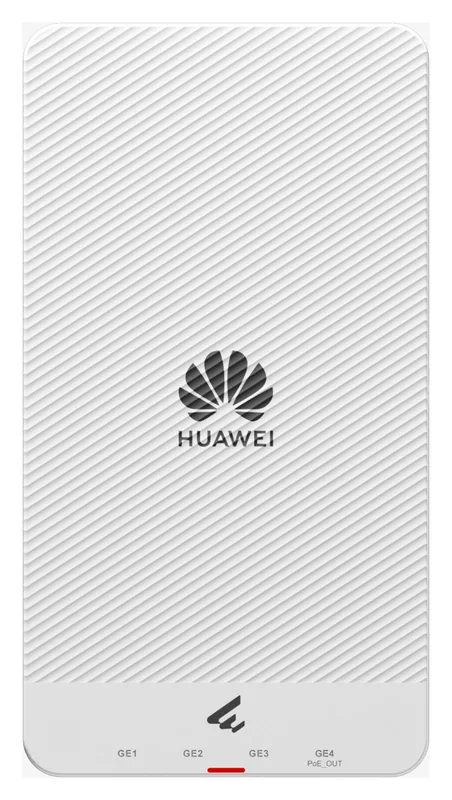
The Huawei AirEngine AP266 is an indoor Wi-Fi 6 access point in the AirEngine range, for…
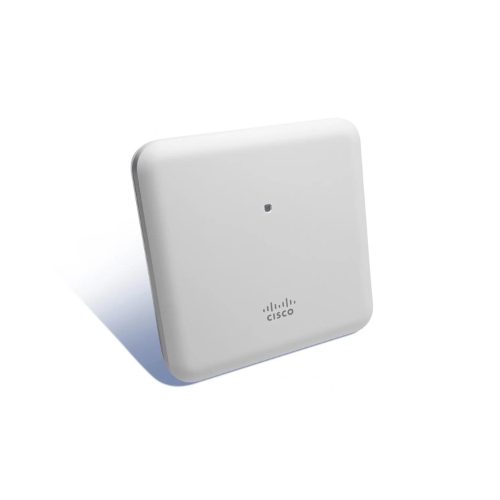
The Cisco AIR-AP-1832L-E-K9 is an 802.11ac Wave 2 access point from the Aironet 1830 series…

The Huawei eKitEngine S110-16LP2SR is a 16-port Gigabit PoE switch with SFP uplinks, in the…
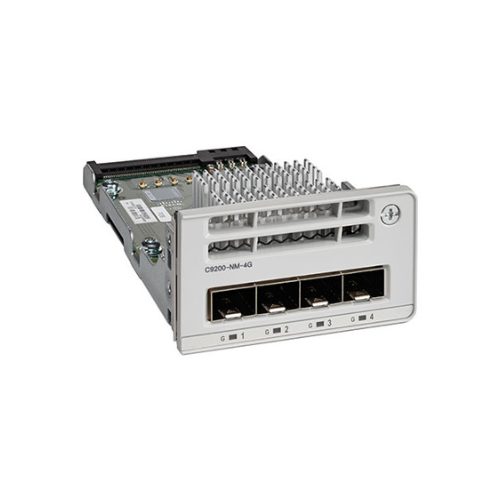
The Cisco C9200-NM-4G is a network module for Catalyst 9200 series switches, adding four 1 G…
Both make excellent access points. The decision that matters is how the network is managed and licensed, not which radio is faster.
Read More: Cisco vs Aruba Wireless: Picking by Management Model
Endpoint protection matters most when it talks to the firewall. Here is what the Security Fabric integration actually does, and what it does not.
Read More: Fortinet Endpoint Security: What the Fabric Buys You
Three capable platforms with genuinely different trade-offs in throughput per riyal, management model and licensing. Here is how to tell which fits.
Read More: Fortinet vs Palo Alto vs Cisco: Choosing a Firewall